


-

Add: HeBei ShengShi HongBang Cellulose Technology CO.,LTD.
-

Email
13180486930@163.com -

CONTACT US
+86 13180486930

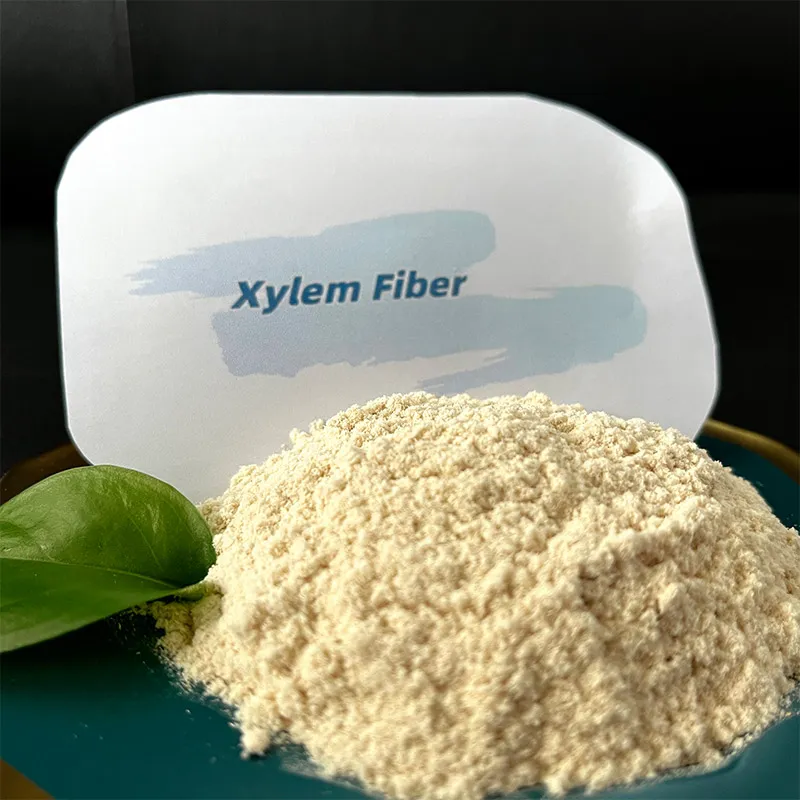


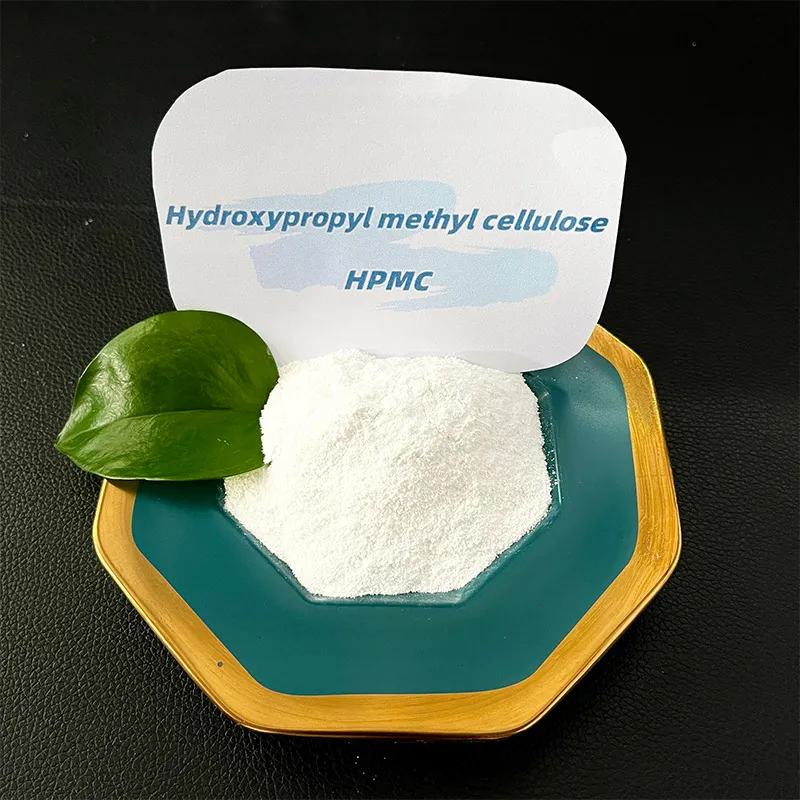
Hydroxymethyl cellulose , often encountered in its more prevalent derivative form hydroxypropyl methylcellulose , represents a cornerstone of modern construction chemistry. Derived from natural cellulose through etherification, this non-ionic, water-soluble polymer exists as a white, odorless, and tasteless powder. Its unique properties – exceptional water retention, thickening capability, adhesion enhancement, and workability modification – make it indispensable in numerous building materials. While often used interchangeably in construction contexts, hpmc cellulose typically offers superior performance in critical areas like enzyme resistance, temperature stability, and consistent viscosity development compared to basic hydroxymethyl cellulose . Understanding the fundamental chemistry and rheology of these cellulose ethers is paramount for optimizing their use in demanding construction environments, where controlling water dynamics and paste consistency directly impacts final product quality and application efficiency. Core Functions of hpmc Cellulose The primary value of hydroxypropyl methylcellulose lies in its multifaceted functionality within cementitious and gypsum-based systems: Unmatched Water Retention: This is arguably HPMC cellulose 's most critical attribute. By significantly slowing the rate of water loss to the substrate and atmosphere, it ensures sufficient water remains available for the complete hydration of cement or setting of gypsum. This prevents premature drying, minimizes plastic shrinkage cracking, enhances ultimate strength development, and improves bond strength to substrates. Poor water retention leads to weak, dusty surfaces and poor adhesion. Rheology Modification & Workability Enhancement: hpmc cellulose acts as a highly efficient thickener and rheology modifier. It imparts desirable consistency to mortars and plasters, improving sag resistance on vertical surfaces, reducing splattering during application, and enhancing toolability. The viscosity grade of the hydroxypropyl methylcellulose selected directly influences the final mix rheology. Air Entrainment: The incorporation process of hpmc cellulose often introduces a controlled amount of minute, stable air bubbles into the mix. This micro-air improves workability further, enhances cohesion, reduces density, and can improve freeze-thaw resistance in exterior applications. However, excessive air entrainment must be avoided as it compromises strength. Adhesion Promotion: hpmc cellulose films formed at interfaces enhance the adhesive bond between the applied material and the substrate, as well as improving cohesion within the material itself. Retardation: By forming a film around cement particles and reducing water availability, hpmc cellulose can slightly retard the setting time, extending open time for application and adjustment, particularly crucial in tile adhesives and large renders. Optimizing Hydroxypropyl Methylcellulose Selection and Dosage Selecting the right hydroxypropyl methylcellulose grade and dosage is not arbitrary; it requires careful consideration of the specific application and desired performance profile: Viscosity Grade: hpmc cellulose is available in a wide range of viscosity grades. Lower viscosity grades are often used in self-leveling compounds or where high flow is needed. Medium viscosity is common for tile adhesives and standard renders. High viscosity grades provide excellent sag resistance in thick-bed mortars, plasters, and exterior insulation finishing systems base coats. Hydroxypropyl Substitution Ratio: The ratio of methyl to hydroxypropyl groups on the cellulose chain influences key properties. Higher methyl substitution generally improves water solubility. Higher hydroxypropyl substitution enhances thermal gelation temperature (critical for hot weather application) and improves enzyme resistance in cementitious systems. Most construction-grade hpmc cellulose balances these substitutions for optimal performance. Particle Size and Modification: Finer powders dissolve faster but may be dustier. Surface-treated hpmc cellulose powders offer delayed dissolution ("lump-free" mixing) and are highly preferred for dry-mix mortars added to mixers with water. FAQs about hpmc Cellulose What causes slow strength development in my HPMC-modified mortar? Slow strength gain is most commonly linked to excessive dosage of hydroxypropyl methylcellulose . While HPMC provides essential water retention and workability, overdosing significantly retards the hydration of cement by physically coating particles and limiting water access. Carefully review and reduce the hpmc cellulose dosage according to formulation guidelines and application needs. Ensure environmental conditions (especially low temperature) aren't the primary cause. Verify cement quality and freshness. Why is my hpmc cellulose render cracking shortly after application? Plastic shrinkage cracking in renders is primarily due to rapid water loss before the material gains sufficient strength. This indicates insufficient water retention capacity. Check that you are using an adequate type and dosage of hpmc cellulose , specifically chosen for its high water retention performance suitable for renders. Ensure the substrate wasn't overly absorbent and wasn't pre-wetted correctly. Applying in hot, dry, or windy conditions without adequate protection (sun/wind screens) will exacerbate this issue, even with good hydroxymethyl cellulose derivatives. How do I prevent lump formation when mixing hpmc cellulose ? Lumps occur when hpmc cellulose powder hydrates too quickly on the surface, trapping dry powder inside. The solution is twofold:Always pre-blend the dry hydroxypropyl methylcellulose powder thoroughly with the other dry ingredients (cement, sand, filler) before adding water. This dilutes it and prevents clumping. Crucially, use surface-treated (delayed solubility) hpmc cellulose grades. These are chemically modified to dissolve gradually, allowing time for dispersion before thickening occurs, virtually eliminating lumps even if added directly to water under agitation. Ensure adequate mixing energy and time. Can I use hpmc cellulose in hot weather? Yes, but job site practices are essential. Standard hydroxypropyl methylcellulose solutions thicken significantly and can even gel as temperature rises. For hot climates or summer application, specify hpmc cellulose grades engineered with a high thermal gelation temperature . These maintain viscosity stability and workability much better under heat. Additionally, store materials in the shade, use cool mixing water if possible, schedule work during cooler parts of the day, and protect applied materials from direct sun and wind to slow evaporation. Is hpmc cellulose compatible with other admixtures? Generally, hydroxypropyl methylcellulose exhibits good compatibility with most common construction admixtures like superplasticizers, air-entraining agents , retarders, and accelerators. However, interactions can occur. For instance, some superplasticizers might slightly reduce the viscosity imparted by hpmc cellulose . Some retarders might have synergistic or antagonistic effects. Air-entraining agents combined with hpmc cellulose can sometimes lead to higher than desired air contents. Always conduct small-scale compatibility tests when formulating with multiple admixtures. Add admixtures sequentially according to manufacturer recommendations, often adding hpmc cellulose early in the dry blend and liquid admixtures to the mix water. Mastering the use of hydroxymethyl cellulose and its advanced counterpart, hydroxypropyl methylcellulose , is fundamental to achieving high-performance, durable, and workable building materials. From the crucial water retention that safeguards against cracking and ensures full hydration, to the rheological control enabling smooth application and sag resistance, hpmc cellulose acts as a vital multifunctional modifier. Success hinges on selecting the appropriate grade and dosage for the specific application—whether it's a high-sag-resistance plaster, a highly retarded tile adhesive, or a fluid self-leveling compound. Adherence to proper mixing protocols, awareness of environmental conditions, and understanding substrate requirements are equally critical. By addressing common challenges through informed choices and practices, as highlighted in the FAQs, formulators and applicators alike can consistently leverage the unique properties of hpmc cellulose to produce superior construction results, enhancing both the efficiency of the building process and the longevity of the finished structure. The versatility and effectiveness of hydroxypropyl methylcellulose cement its indispensable role in modern, high-quality construction chemistry.
- 40000tons

Production
- 20+years

Experience
- 5000+㎡

Acreage

-
Hydroxypropyl Methylcellulose (HPMC) has emerged as a crucial ingredient in various industries, with China being one of the leading suppliers globally. This versatile compound, commonly utilized in pharmaceuticals, construction, and food products, plays a pivotal role in enhancing product performance and stability. As a seasoned SEO expert, uncovering the depth of HPMC in China can enrich the industry's understanding and application of this powerhouse product. In the pharmaceutical sector, HPMC is indispensable due to its film-forming and gel-forming capabilities. It functions as a binder, film-coating agent, and controlled-release agent in tablets and capsules. Chinese HPMC manufacturers have honed their expertise to produce high-purity, consistent quality cellulose ethers that meet stringent international standards. These advancements not only ensure the safety and efficacy of pharmaceutical products but also encourage innovation in drug formulation and delivery systems. The construction industry benefits significantly from HPMC's properties. Used as an essential additive in cement-based mortars and plasters, HPMC enhances workability, water retention, and open time. Chinese producers have developed specific grades of HPMC tailored for dry-mix and wet-mix applications, ensuring optimal performance across varied environmental conditions. The adaptability of HPMC in enhancing adhesion, reducing water demand, and improving surface finish underscores its indispensability in modern construction. In food products, HPMC serves as an effective emulsifier, stabilizer, and thickener. The evolution of dietary habits and the growing demand for gluten-free and vegetarian options have spurred the need for reliable food-grade HPMC. Chinese manufacturers have responded with rigorous quality control processes that guarantee the safety and consistency of their HPMC offerings. This commitment to excellence fosters confidence among global food producers seeking to deliver innovative consumer products. hpmc china The success of HPMC production in China can be attributed to several factors . The availability of abundant raw materials, coupled with a well-established industrial infrastructure, allows Chinese companies to maintain competitive pricing without compromising on quality. Furthermore, investment in research and development has enabled these companies to produce a broad spectrum of HPMC derivatives that cater to specific industry requirements. By engaging in continuous innovation and quality improvement, Chinese HPMC manufacturers have established a reputation for expertise and reliability in the global market. For businesses seeking to leverage HPMC's capabilities, collaborating with Chinese suppliers presents an opportunity to access cutting-edge technology and top-tier products. The transparency and trustworthiness demonstrated by these suppliers in adhering to international certifications and environmental standards provide additional assurance of their suitability as long-term partners. Ensuring an ethical and sustainable supply chain is paramount, and Chinese manufacturers have shown commitment to these principles, enhancing their standing in the global marketplace. As the demand for HPMC continues to grow across various sectors, fostering a deeper understanding of its applications and benefits is crucial. Companies that recognize the strategic importance of sourcing high-quality HPMC from reputable Chinese suppliers are positioned to enhance their product offerings and maintain a competitive edge. By prioritizing experience, expertise, authoritativeness, and trustworthiness, these companies can maximize the potential of HPMC, driving innovation and growth in their respective industries.
-
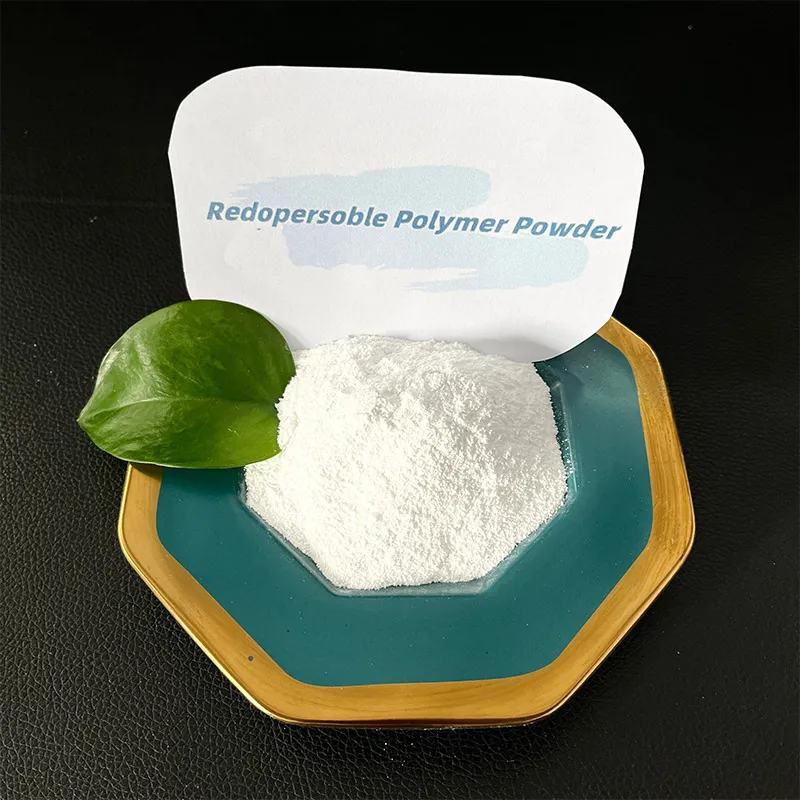
The construction industry constantly seeks materials that offer superior performance, reliability, and versatility. Among these, hydroxypropyl methylcellulose stands out as a highly effective additive that outperforms many traditional options, such as gypsum and polymer emulsions. Whether it’s about achieving durability in wet conditions or improving consistency in wall putty, hydroxypropyl methylcellulose has proven to be indispensable. Let’s explore its unmatched advantages and why it's the future of building materials. The Advantage of Hydroxypropyl Methylcellulose Over Gypsum Gypsum is a widely used component in construction, valued for its affordability and ease of use. However, when compared to hydroxypropyl methylcellulose , gypsum falls short in critical areas. One of the significant advantages of hydroxypropyl methylcellulose is its superior water retention capability. While gypsum is prone to cracking and shrinkage during drying, hydroxypropyl methylcellulose ensures that moisture is evenly distributed throughout the mixture, resulting in a flawless finish. This property not only prevents structural weaknesses but also enhances the overall durability of the material. Additionally, hydroxypropyl methylcellulose can withstand greater levels of environmental stress. Gypsum tends to deteriorate under wet or humid conditions, whereas hydroxypropyl methylcellulose remains stable, maintaining its binding and adhesive properties even in challenging environments. Its flexibility and resistance to moisture make it a preferred choice for projects that demand long-term durability and high performance. The Advantage of Hydroxypropyl Methylcellulose Over Polymer Emulsions Polymer emulsions are often incorporated into construction materials to improve elasticity and binding strength. However, they lack the adaptability and multifunctionality that hydroxypropyl methylcellulose offers. Polymer emulsions tend to lose effectiveness over time, especially under fluctuating temperatures and exposure to moisture. Hydroxypropyl methylcellulose , on the other hand, provides consistent performance across diverse environmental conditions. Its thermal stability and water retention qualities make it far superior for applications such as wall putty, plaster, and tile adhesives. Additionally, hydroxypropyl methylcellulose enhances workability without requiring extra additives. It creates a uniform mixture, ensuring smoother application and better surface adhesion. If you are planning to buy hydroxypropyl methylcellulose , you are investing in a material that optimizes efficiency and delivers results unmatched by polymer-based alternatives. How Hydroxypropyl Methylcellulose Behaves in Building Materials The unique properties of hydroxypropyl methylcellulose make it a standout ingredient in building materials. Its ability to improve the viscosity of mixtures ensures better cohesion and stability during application. In products such as wall putty, hydroxypropyl methylcellulose enhances spreadability, making it easy to achieve a smooth finish on walls and ceilings. Under wet conditions, hydroxypropyl methylcellulose shows excellent resistance, retaining its structural integrity while ensuring prolonged workability. This ensures that building materials do not prematurely dry out, which can lead to uneven curing or cracking. Its hydrophilic nature supports uniform hydration, giving materials added durability and ensuring long-term reliability in construction projects. In addition to performance benefits, hydroxypropyl methylcellulose is compatible with other additives, allowing it to blend seamlessly into various formulations. For builders aiming to reduce project inefficiencies, this additive is the go-to solution, saving time and enhancing the quality of the output. Trust the Leading Hydroxypropylmethylcellulose Supplier for Top-Quality Materials When sourcing construction materials, reliability and consistency are crucial. That’s why working with a reputable hydroxypropylmethylcellulose supplier is essential. We take pride in offering premium-grade hydroxypropyl methylcellulose that meets stringent industry standards and caters to the diverse needs of modern construction projects. By partnering with us, you gain access to high-quality products that deliver exceptional results across a wide range of applications, from wall putty to advanced adhesive systems. Our efficient supply chain ensures timely delivery, so you never face project delays. Whether you're an independent contractor or a large construction firm, the decision to buy hydroxypropyl methylcellulose from us guarantees durability, efficiency, and a competitive edge in your projects. Hydroxypropyl Methylcellulose: Shaping the Future of Construction As the construction industry evolves, the demand for versatile and sustainable materials continues to grow. Hydroxypropyl methylcellulose is paving the way for advanced solutions that not only improve material performance but also support environmentally conscious construction practices. Its advantages over gypsum and polymer emulsions, combined with its ability to perform exceptionally well in wet conditions, make it a cornerstone for modern building materials. Builders and manufacturers alike are recognizing the transformative impact of hydroxypropyl methylcellulose , ensuring its place as a critical component in construction innovation. Experience the difference with our premium hydroxypropyl methylcellulose . Contact us today to find out more about how it can elevate your building projects, and secure your success with the trusted leader in construction additives. Don’t wait—choose the industry’s finest hydroxypropylmethylcellulose supplier and redefine your standards for quality.
advantages
-

200000 Viscosities
Excellent product
We can produce pure products up to 200,000 viscosities
-

40000 tons
High yield
We don’t stop production all year round, and the annual output can reach 40,000 tons
-

24 hours
Quality service
We provide 24-hours online reception service, welcome to consult at any time
———— Inquiry Form
Schedule A services

-
 hydroxypropyl_methylcellulose_solution
Oct . 25, 2025
Next-Generation Wood Cellulose & Xylem Fiber: Technology, Industry Trends and Applications HeBei She -
 wood_and_cellulosic_chemistry
Oct . 25, 2025
Hydroxypropyl Methylcellulose (HPMC) is a versatile compound with extensive applications across vari -
 fibra_hecha_de_pulpa_de_madera
Oct . 25, 2025
Polyolefin fibers, an essential component in the textile and manufacturing industries, have signific


